Kyoto · since 1920
Understanding the Japanese Buddhist robe
Re:kasaya is a plain-English guide to the kesa (kasaya) and to Buddhist robes in Japan, written by the fourth generation of Naoshichi Houiten, a Kyoto maker of kesa and temple goods. We also welcome inquiries and orders from outside Japan.
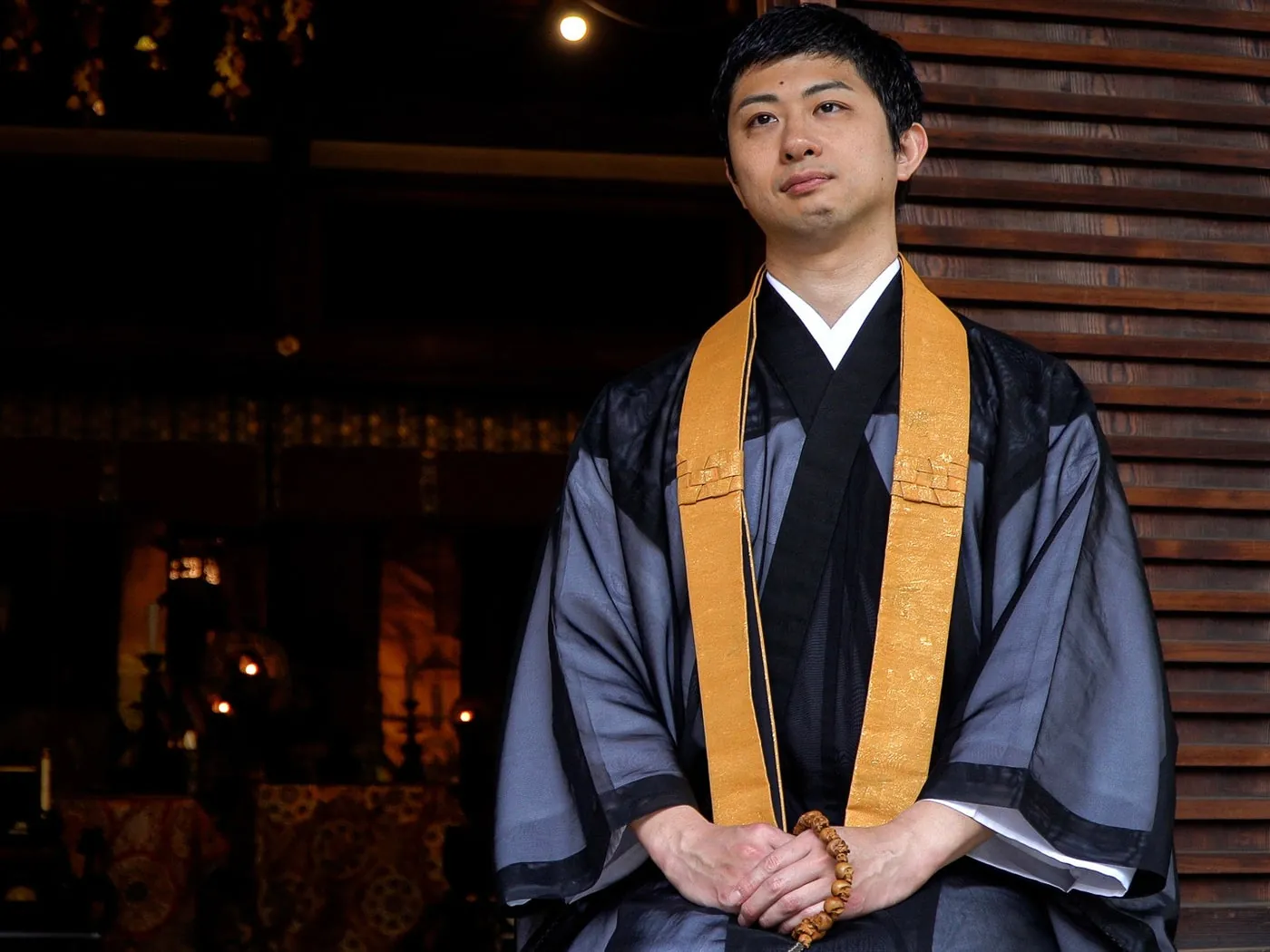
Start here
Six short guides to the Japanese kesa, from the first rag robe in India to the neck-worn kesa of today.
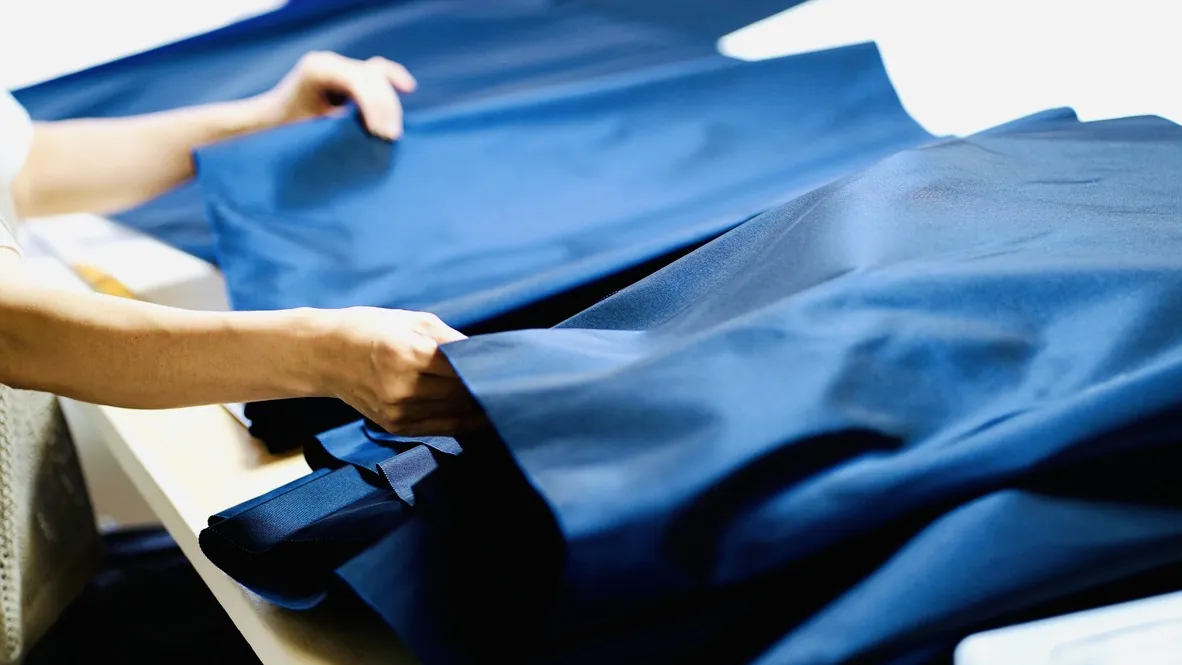
What Is a Kesa (Kasaya)? The Japanese Buddhist Robe Explained
What a kesa is, where it comes from and why it is stitched from small pieces of cloth.
Read more →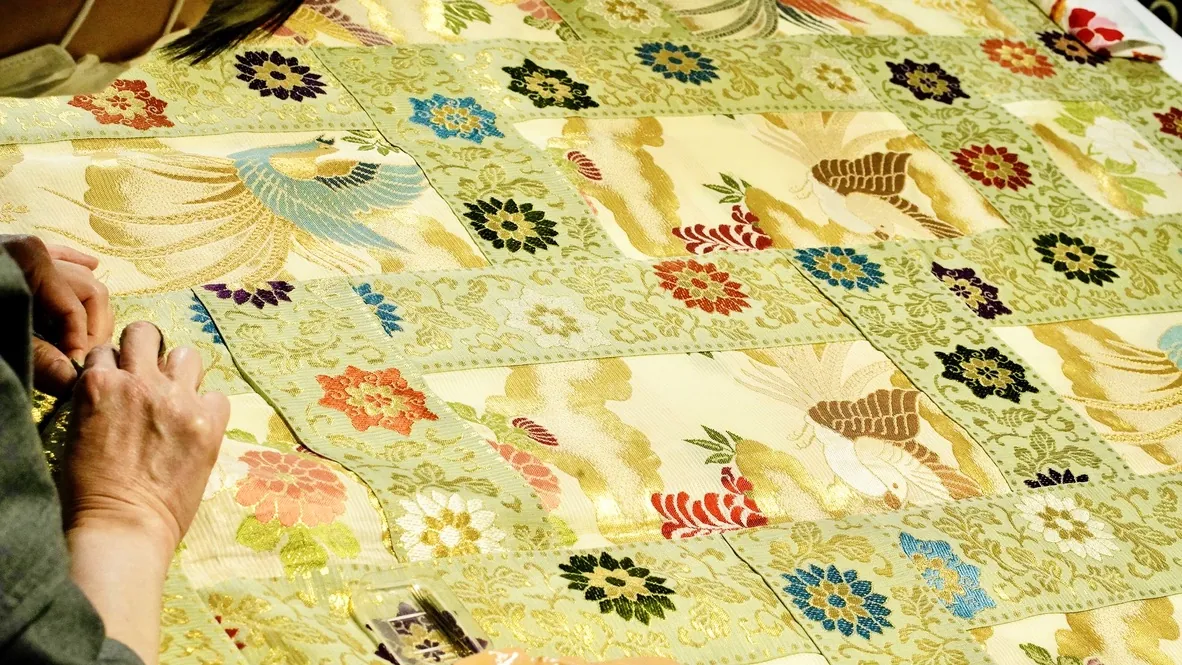
The Three Robes (Sanne)
Five strips, seven strips, nine or more: what each of the three robes is for.
Read more →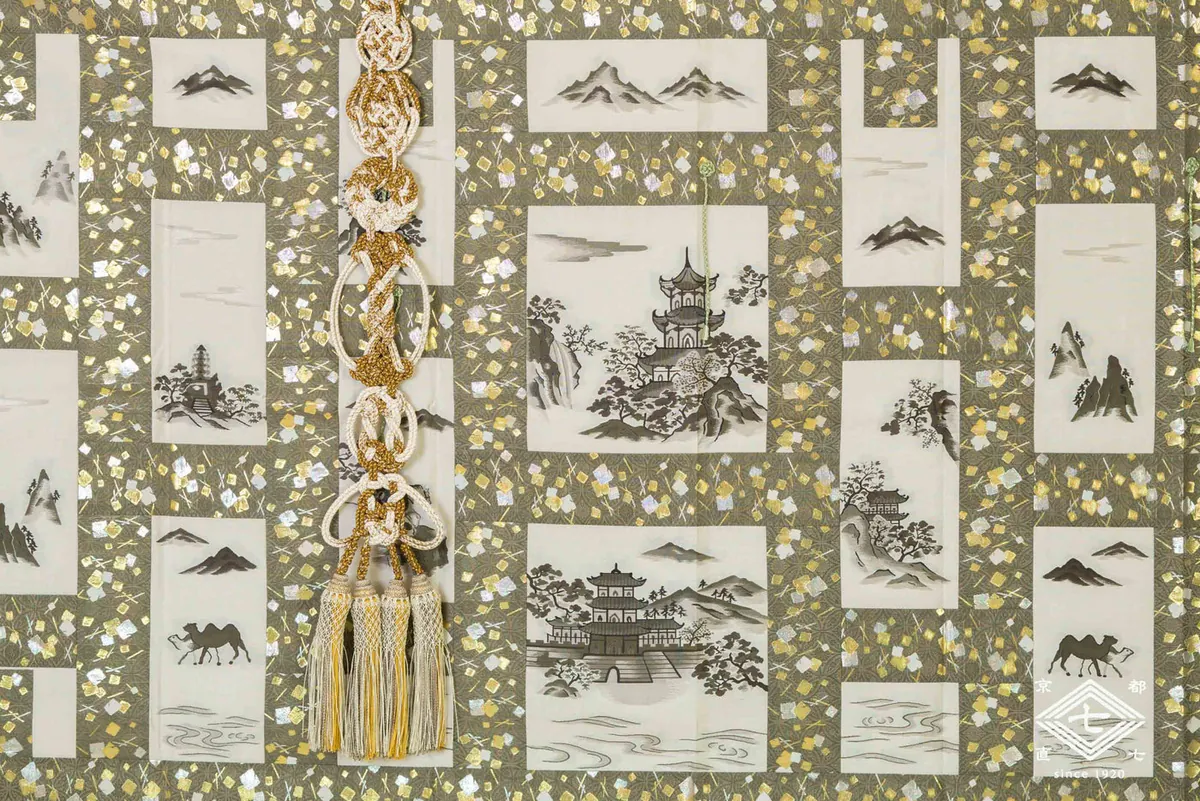
The Shichijō Kesa
An important ceremonial robe: its parts, its types and how to choose one.
Read more →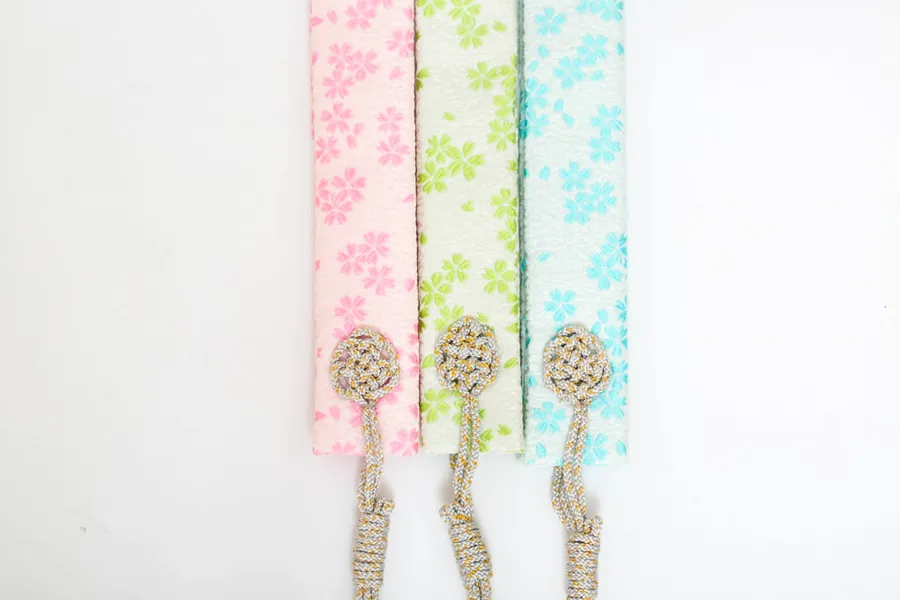
Wagesa, Shikishō, Hangesa, Rakusu
The small kesa worn around the neck, and who wears which.
Read more →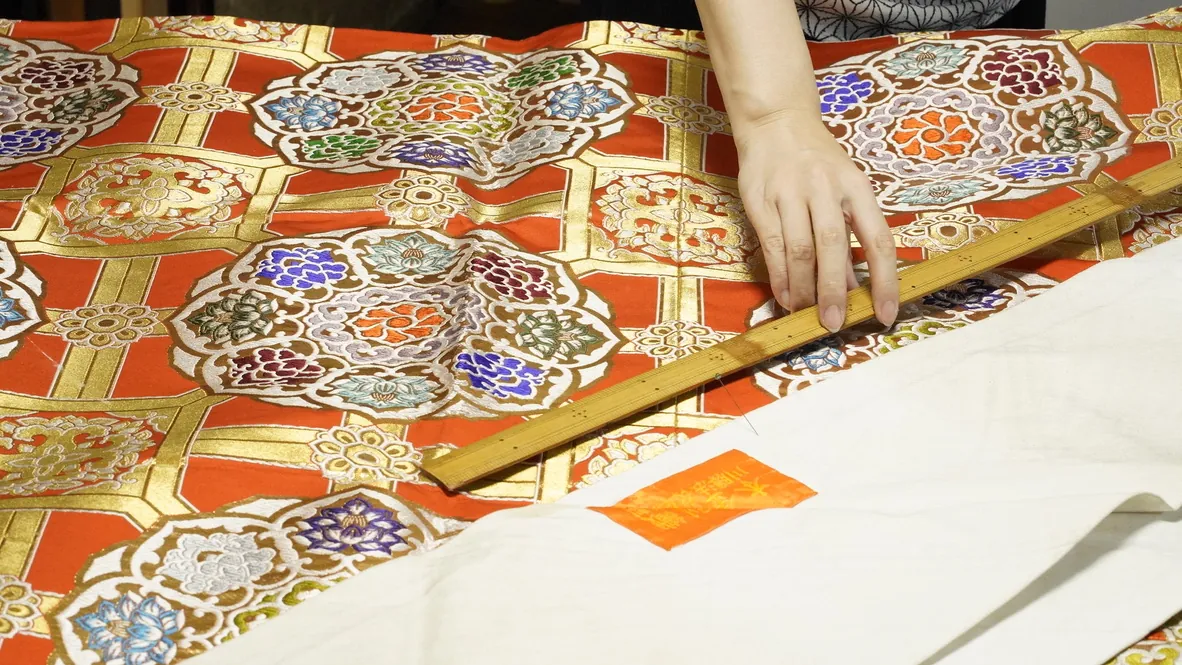
How a Kesa Is Made
The paddy-field pattern, its parts and the stitching, from our Kyoto workshop.
Read more →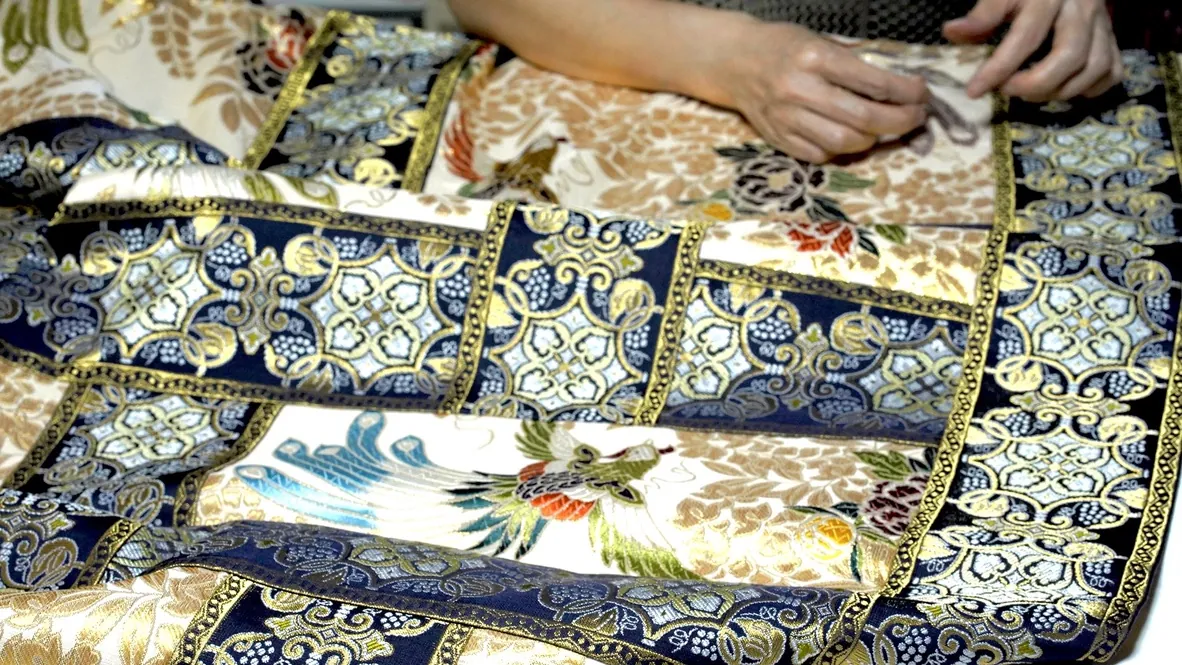
History of the Kesa
How a robe of rags became the ceremonial dress of Japanese Buddhism.
Read more →Ordering from abroad
Our online store is mostly in Japanese, so we guide overseas customers personally. Send us a message with the item, your school and your country; we reply in English with the specification, the price in yen and the lead time.
- Contact usEmail, the shop’s contact form or LINE, with photos if you can.
- We confirmSpecification, price in yen and lead time.
- You orderOn our online store, in yen.
- We ship from KyotoWhere shipping is available, it is billed separately after the order; import duties are not included.
Readers in Asia: 繁體中文(台灣・香港) · 简体中文 · Tiếng Việt
Quick answers
What is a kesa?
A kesa (also spelled kasaya) is the patchwork robe that Buddhist monks and priests wear over the left shoulder. It began as sewn-together rags in ancient India and is still built from many small pieces of cloth. Read the full explanation.
Is a kesa the same as a houi?
No. In Japan, houi (koromo) means a priest’s clothing as a whole and kesa means the cloth worn over it. Kesa vs. houi.
Can I buy a kesa from outside Japan?
Please contact us. International shipping may be available depending on the item and destination, so please write to us first with the item, your school and your country; shipping is billed separately and import duties are not included. How to order.
Do you reply in English?
Yes. Please write to us in English or Japanese, and attach photographs if you can.
How old is Naoshichi Houiten?
We were founded in Kyoto in 1920 and are now in our fourth generation. About us.